Most of us have more than one way to pay: a credit card, a debit card or an EFTPOS card. While they look similar at the checkout, they offer different protections if something goes wrong.
So, what is the safest way to pay in NZ: credit, debit or EFTPOS?
In short:
- For in-person spending, EFTPOS, debit and credit are all secure when used correctly.
- The differences show up online and overseas. EFTPOS is built for in-person payments in New Zealand, while credit and debit cards work online and overseas, and let you raise a dispute if a purchase goes wrong.
- A credit card may have a slight edge: depending on your card issuer, you may not need to pay a disputed transaction while it’s being investigated. However, it may still reduce your available credit until the dispute is resolved.
How credit, debit, and EFTPOS differ
It comes down to two things: where the money comes from, and which network the payment runs on. A debit or EFTPOS card spends money from your account; a credit card borrows it, up to a limit you pay back later. EFTPOS runs on New Zealand’s own in-person network, so the card is not set up for online shopping and is not widely accepted by overseas merchants. Some EFTPOS cards can still withdraw cash at overseas ATMs, but Visa and Mastercard cards are the ones that work everywhere: online, overseas and in person.
| Payment type | Money comes from | Where it works | Can you raise a dispute? |
|---|---|---|---|
| Credit card (Visa or Mastercard) | Borrowed, up to your limit | In store, online, overseas | Yes |
| Debit card (Visa or Mastercard | Your account | In store, online, overseas | Yes |
| EFTPOS card | Your account | In store in NZ, with your PIN | Generally, no |
Which payment method is safest from fraud in NZ?
For in-person payments, EFTPOS has less exposure to online fraud because it needs your physical card and PIN. Its main risk is physical: a skimmed card or a PIN watched over your shoulder.
Visa and Mastercard cards work in far more places – online, overseas and contactless – and they come with protection built in. Online purchases get an extra layer of checking, called Visa Secure or Mastercard Identity Check, that confirms it is really you. Paying through a digital wallet adds another layer: the merchant receives a token, not your actual card details.
Worth knowing: in NZ, contactless payments up to $200 per transaction may not need a PIN. A different limit can apply overseas, where you may be asked to enter your PIN or sign. If you do lose your card, make sure you report it immediately.
What protection do I have if something goes wrong?
If a purchase goes wrong, whether that’s goods that never arrive, something faulty or a business that closes, a debit card or a credit card lets you raise a dispute. This is where your card issuer tries to reverse the charge through the Visa or Mastercard network. You have up to 120 days to make a claim, though this varies by provider. Many people don’t realise this option exists: a Consumer NZ survey found nearly half of New Zealanders did not know they could dispute a card payment.
An EFTPOS payment (cheque or savings) doesn’t use the Visa or Mastercard networks, so it doesn’t have the same option. Recovery is more limited and usually handled directly with your bank or the merchant.
If a payment is made without your knowledge or agreement, you may be covered, whichever card it is, as long as you report it promptly and didn’t act fraudulently or negligently. Being careful means keeping your PIN and passwords to yourself, not sharing one-off codes, and not ignoring obvious scam warnings.
There can also be a difference between credit and debit. Depending on your card issuer, you may not need to pay a disputed credit card transaction while it’s being investigated, although it may still reduce your available credit. With a debit or EFTPOS card, the money has already left your account, and you generally need to wait for any refund or dispute outcome.
How to keep your card safe day to day
Protection like this works best when you do your bit too. A few everyday habits go a long way:
- Keep your PIN to yourself. Choose one that is not your birthday, address or phone number.
- Treat surprise texts and emails with suspicion.
- Tap to pay with your phone where you can.
- Keep your contact details current.
- Check your transactions regularly.
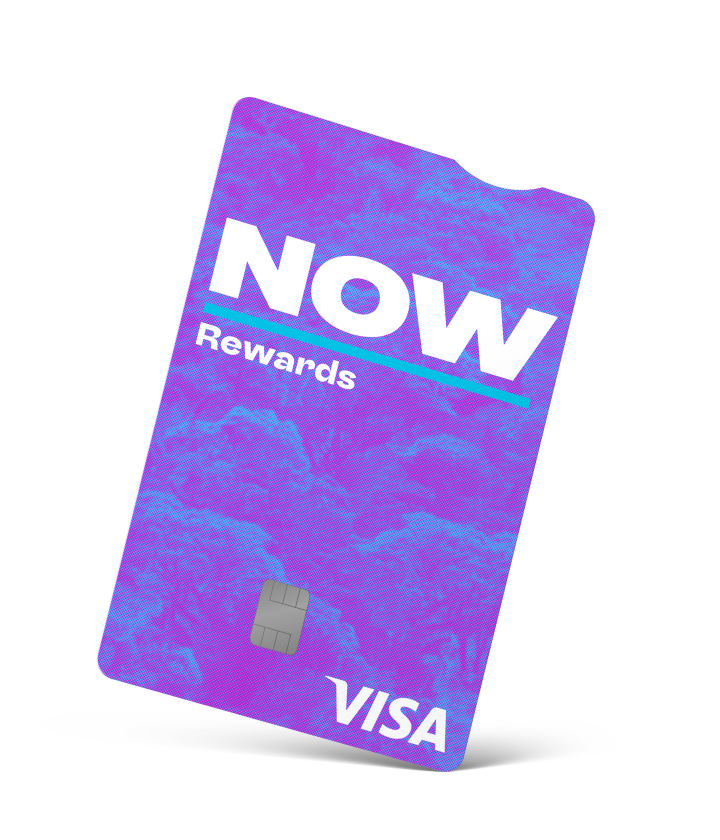
If you have NOW Rewards Visa
The points above apply to any card. A few specifics for the NOW Rewards Visa:
- Your card is automatically registered for Visa Secure. Whenever you shop online with a seller who is also registered, the system verifies your identity to make sure you are the person using your card.
- You can lock the card yourself in the eMoney app, handy if you have only misplaced it.
- If it is lost, stolen or used without your OK, call the Emergency Assistance line on 0800 801 803 (or +64 9 212 5233 from overseas) so we can block it, then tell us about any transactions you do not recognise. A replacement card takes up to seven business days.
- If you notice anything unusual in your transactions or on your statements, let us know within 30 days of the closing date of your statement.
- We will never ask for your PIN, password or one-off codes. If someone does, it is not us.
Frequently asked questions
Both offer the same dispute rights through the Visa or Mastercard network, so for online purchases they are similarly protected. The bigger gap is with EFTPOS, which doesn’t have the same dispute option.
If you paid with a Visa or Mastercard debit or credit card, you can raise a dispute, and your card issuer will try to reverse the charge. You have up to 120 days, though this varies by provider.
Contact your card issuer as soon as you notice it so the card can be blocked, then report any transactions you do not recognise. You may be covered, as long as you did not act fraudulently or negligently and you report it promptly.
Yes. A digital wallet gives the merchant a token rather than your real card number, and each payment is protected by your phone’s PIN, fingerprint or face unlock.
Not quite. EFTPOS doesn’t run on the Visa or Mastercard networks, so it does not have the same dispute option. Recovery is usually handled directly with your bank or the merchant.
Glossary
A quick reference for the terms used above.
The interest rate the card charges on standard purchases if you don’t pay the full closing balance by the payment due date each month.
A payment made without your knowledge or agreement, such as one made with stolen card details.
Paying by holding your card or phone near the payment terminal, without inserting the card or, for smaller amounts, entering a PIN.
New Zealand’s domestic in-person payment network, used with a physical card and PIN. It doesn’t run on the Visa or Mastercard networks.
Which should you use?
There is no single “safest” way to pay. EFTPOS, debit and credit cards are all secure when used properly. The key difference is that credit and debit cards add protections for online purchases and disputed transactions, while EFTPOS is designed for secure in-person payments.
For more on picking the right card, see our guide to choosing a credit card in NZ in 2026. For paying securely with your phone, see our guide to adding your card to Google Wallet.
The information on this website is provided for general information only. Finance Now does not assume any responsibility for giving legal or other professional advice and disclaims any liability arising from the use of the information. If you require legal or other expert advice you should seek assistance from a professional adviser.
About Finance Now
Finance Now is a 100% Kiwi-owned consumer lender, trusted by more than 530,000 New Zealanders. If the NOW Rewards Visa sounds like it might suit, you can find the full rates, fees and how to apply on our product pages. NOW Rewards Visa is issued by SBS Money Limited, which is wholly owned by Finance Now Limited.
Share this article